38 osha secondary container requirements
PDF Laboratory Safety Labeling and Transfer Facts of Chemicals container. continued on p ge 2 . Forassistance,contactus.We can help. It's confidential. Occupational Safety and Health Administration 1-800-321-6742 . The identity of the chemical and appropriate hazard warnings must be shown on the label. OSHA 3410 8/2011 DSG PDF BRIEF - Occupational Safety and Health Administration OSHA's webpage. Hazard Communication Standard: Labels and Pictograms standard also requires the use of a 16-section safety data sheet format, which provides detailed information regarding the chemical. There is a separate OSHA Brief on SDSs that provides information on the new SDS requirements. All hazardous chemicals shipped after June 1,
Secondary Containers | Environmental Health, Safety and Emergency ... Except for a few cases, secondary containers must be labeled. IF IN DOUBT, LABEL IT! One common case where you do not have to label a secondary container is if the container is portable and will be used immediately by the person who transferred the chemical into that container.

Osha secondary container requirements
Occupational Safety and Health Administration The secondary container is placed inside of a tertiary container comprised of expanded polystyrene. The tertiary container is then placed inside a corrugated cardboard box which is prepared for shipping. The immediate containers (e.g., vials) and the secondary container are labeled in compliance with the HCS. 1926.152 - Flammable liquids. - Occupational Safety and Health ... Piles or groups of containers shall be separated by a 5-foot clearance. Piles or groups of containers shall not be nearer than 20 feet to a building. 1926.152 (c) (2) Within 200 feet of each pile of containers, there shall be a 12-foot-wide access way to permit approach of fire control apparatus. 1926.152 (c) (3) Labeling small containers - Occupational Safety and Health Administration Response: 29 CFR 1910.1200 (f) (1) requires the chemical manufacturer, importer, or distributor to ensure that each container of hazardous chemicals leaving the workplace is labeled, tagged or marked with the following information: (1) a product identifier; (2) signal word; (3) hazard statement (s); (4) pictogram (s); (5) precautionary statement …
Osha secondary container requirements. Secondary Container Labels 101: HazCom and WHMIS - ERA Environmental In the US secondary container labels are required when operations in a work-place setting includes the transferring of smaller amounts from the original container to a secondary container such as a beaker, flask, or bottle. These secondary labels need to comply with OSHA's HCS. PDF WHAT IS GHS? - Florida International University SECONDARY CONTAINER LABELING: Secondary containers are usually smaller containers, such as spray bottles, jugs, aliquots, or jars that chemicals are transferred to from the primary container once within the workplace. -According to OSHA, secondary containers must comply with the labeling requirements. Labeling of Secondary Containers | Occupational Safety and Health ... Labeling of Secondary Containers Standard Number: 1910.1200 (f) (6) (ii) OSHA requirements are set by statute, standards and regulations. Our interpretation letters explain these requirements and how they apply to particular circumstances, but they cannot create additional employer obligations. OSHA Requirements for Labeling Secondary Containers Like OSHA standards, these chemicals fall under bulk or primary container regulations. - Containers up to 100 mL may exempt hazard statements. - Containers up to 3mL where the label would hinder normal use only require shipping and storage information. Other Considerations for Secondary Container Labels
1915.173 - Drums and containers. | Occupational Safety and Health ... Containers of 55 gallons or more capacity containing flammable or toxic liquid shall be surrounded by dikes or pans which enclose a volume equal to at least 35 percent of the total volume of the containers. 1915.173 (f) Fire extinguishers adequate in number and suitable for the hazard shall be provided. Spill Control and Secondary Containment Requirements The EPA specifies under 40 CFR 264.193 (b) that secondary containment systems are required to prevent any migration of wastes or accumulated liquid out of the system to the soil, ground water or surface water during the use of the tank system. Minimum requirements of how the system must be constructed are listed in 40 CFR 264.193 (c) and include: OSHA Secondary Containment Requirements for Chemical Storage Secondary containment is required by OSHA when there is a possibility of a hazardous chemical spill or leak that could pose a threat to the environment or employees. Secondary containment is typically used to contain and control the spread of hazardous chemicals, in case of a primary container failure. Labeling small containers - Occupational Safety and Health Administration Response: 29 CFR 1910.1200 (f) (1) requires the chemical manufacturer, importer, or distributor to ensure that each container of hazardous chemicals leaving the workplace is labeled, tagged or marked with the following information: (1) a product identifier; (2) signal word; (3) hazard statement (s); (4) pictogram (s); (5) precautionary statement …
1926.152 - Flammable liquids. - Occupational Safety and Health ... Piles or groups of containers shall be separated by a 5-foot clearance. Piles or groups of containers shall not be nearer than 20 feet to a building. 1926.152 (c) (2) Within 200 feet of each pile of containers, there shall be a 12-foot-wide access way to permit approach of fire control apparatus. 1926.152 (c) (3) Occupational Safety and Health Administration The secondary container is placed inside of a tertiary container comprised of expanded polystyrene. The tertiary container is then placed inside a corrugated cardboard box which is prepared for shipping. The immediate containers (e.g., vials) and the secondary container are labeled in compliance with the HCS.
SDS OSHA Data Labels for Chemical Safety 4 x 3 Inches | Roll ...
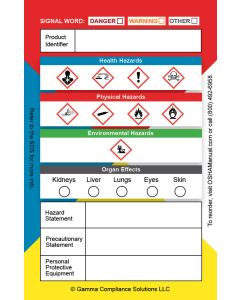
Globally Harmonized System (GHS) Secondary Container Labels

NMC™ GHS2265ALV GHS Secondary Container Safety Label, 3-1/2 ...
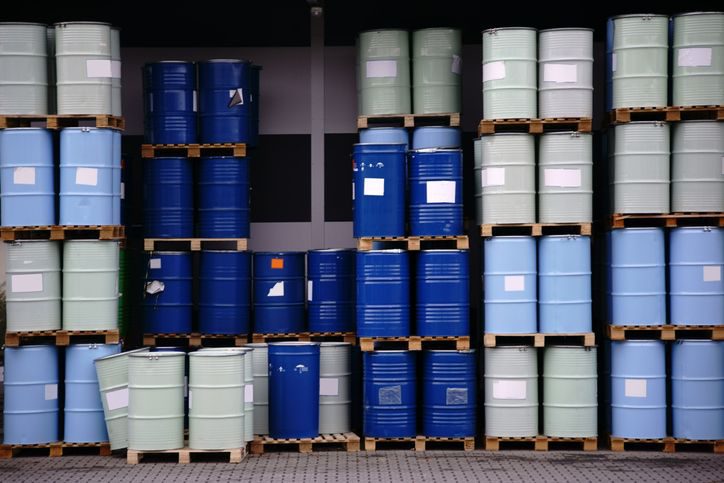
Chemical Secondary Containment Requirements | Polystar ...
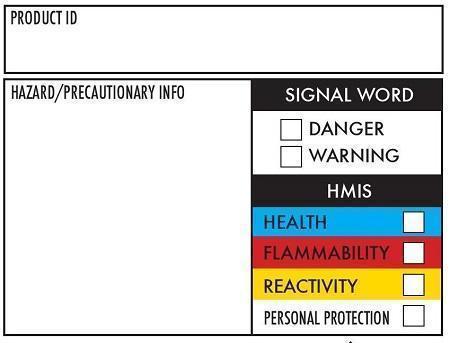
Rules for Proper Secondary Container Labeling - Online Safety ...
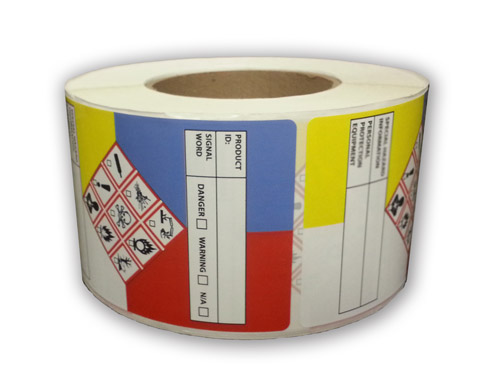
Stop-Painting.com Answers New GHS Requirements With New GHS ...

$7/mo - Finance SDS OSHA Data Labels for Chemical Safety 4 x ...

Right-to-Know: Hazard Communication Standard | National ...

Chemical Container Labels | EHS

OSHA Hazard Communication Standard | What's in a Label?
OSHA Labeling of Chemicals
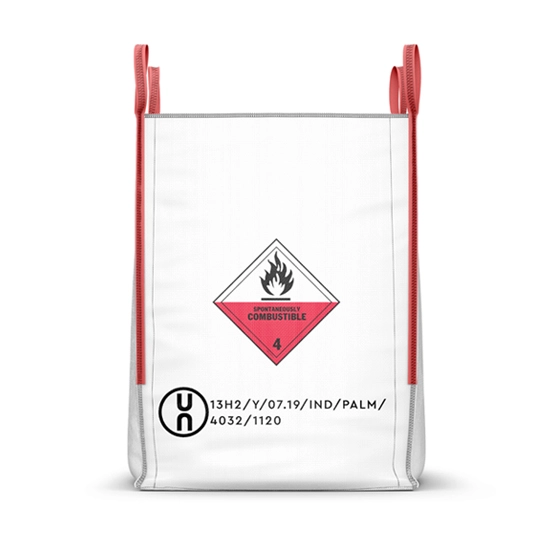
OSHA Secondary Containment Requirements for Chemical Storage
Guidelines for Labeling Secondary Containers
Hazard Communication Standard: Labels and Pictograms
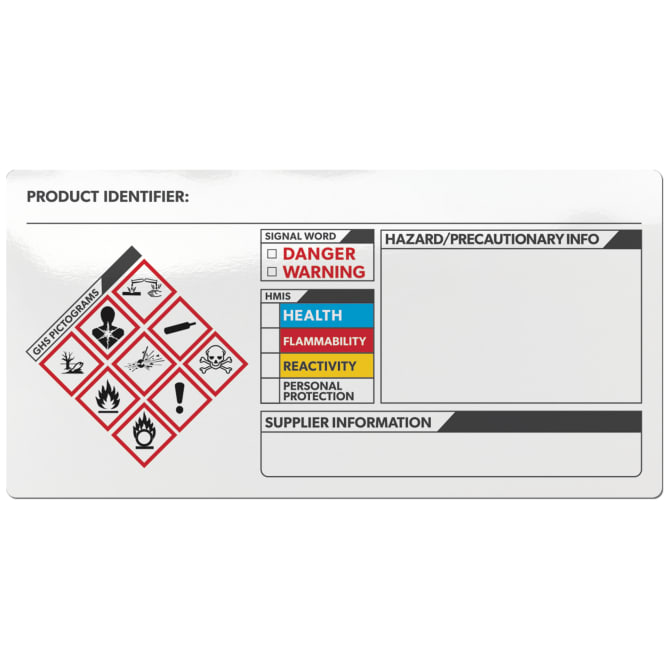
Avery® GHS Secondary Container Labels, Preprinted, Handwrite Only, 2" x 4", 250 Labels (61208)

OSHA Secondary Containment Requirements for Chemical Storage

Labeling secondary containers
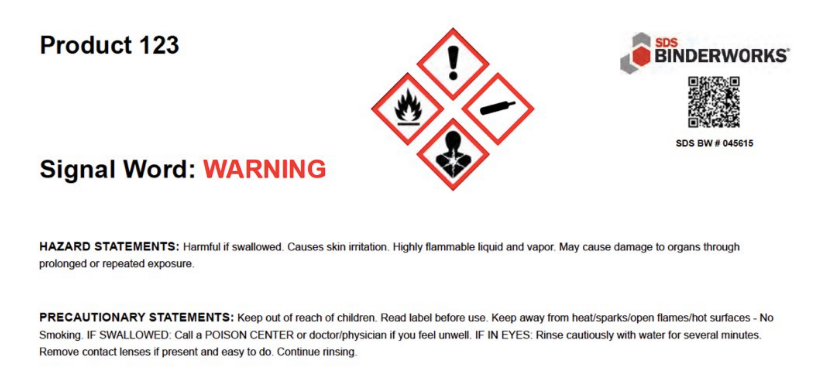
SDS BinderWorks - SDS BinderWorks makes it easy for any ...
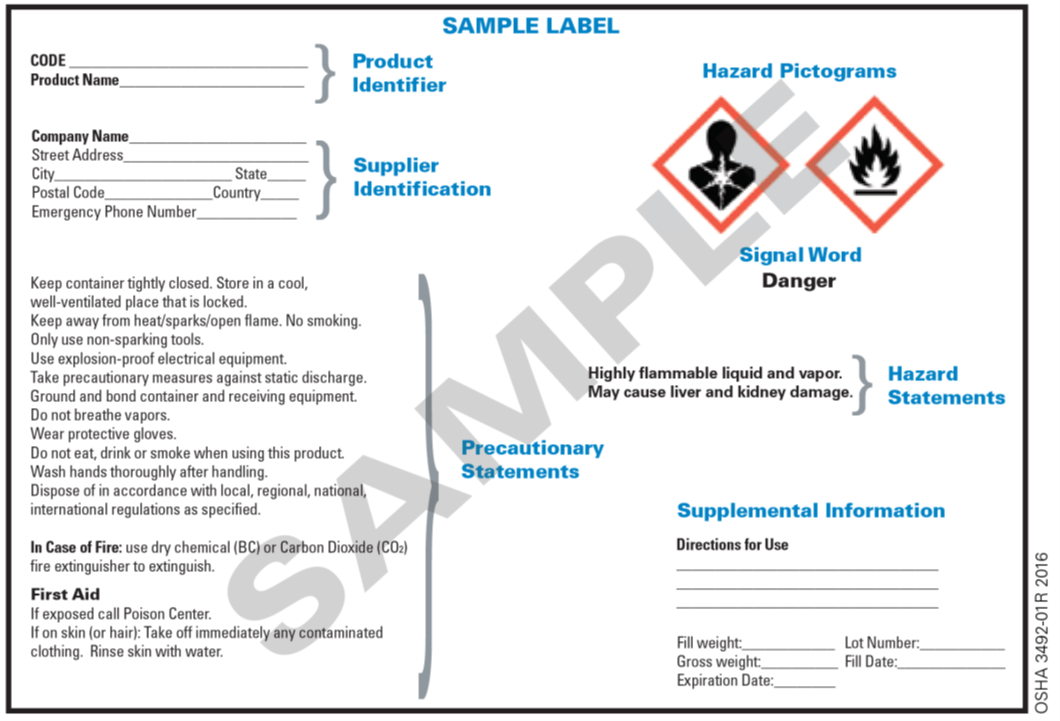
Chemical Container Labels | EHS
Laboratory Safety Labeling and Transfer of Chemicals
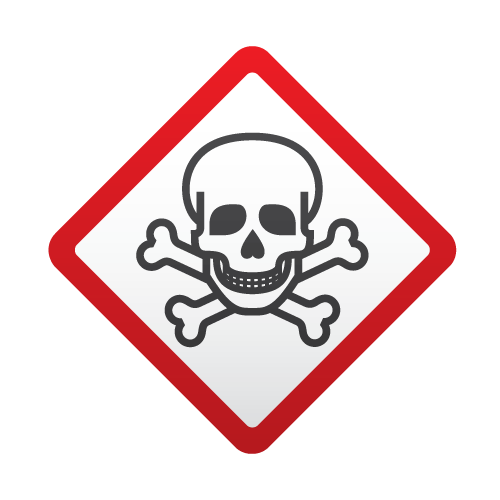
GHS Label Requirements for Shipping - eSafety Training
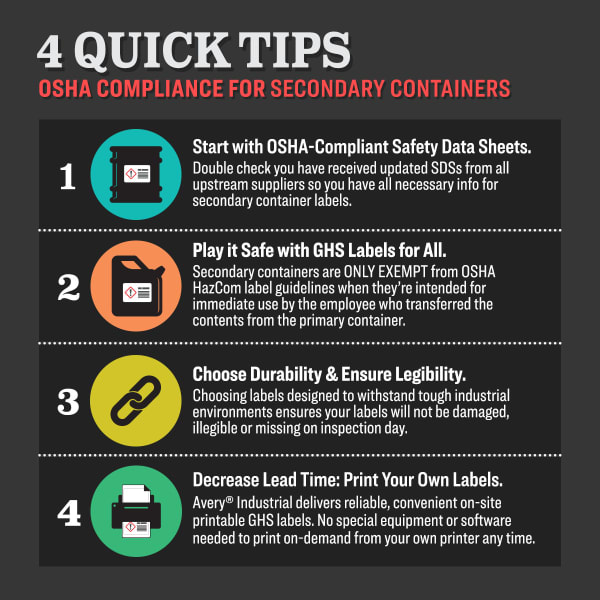
4 Quick Tips to Help You Ace OSHA Secondary Container ...

Container Labeling: Best Practices for OSHA Compliance and ...
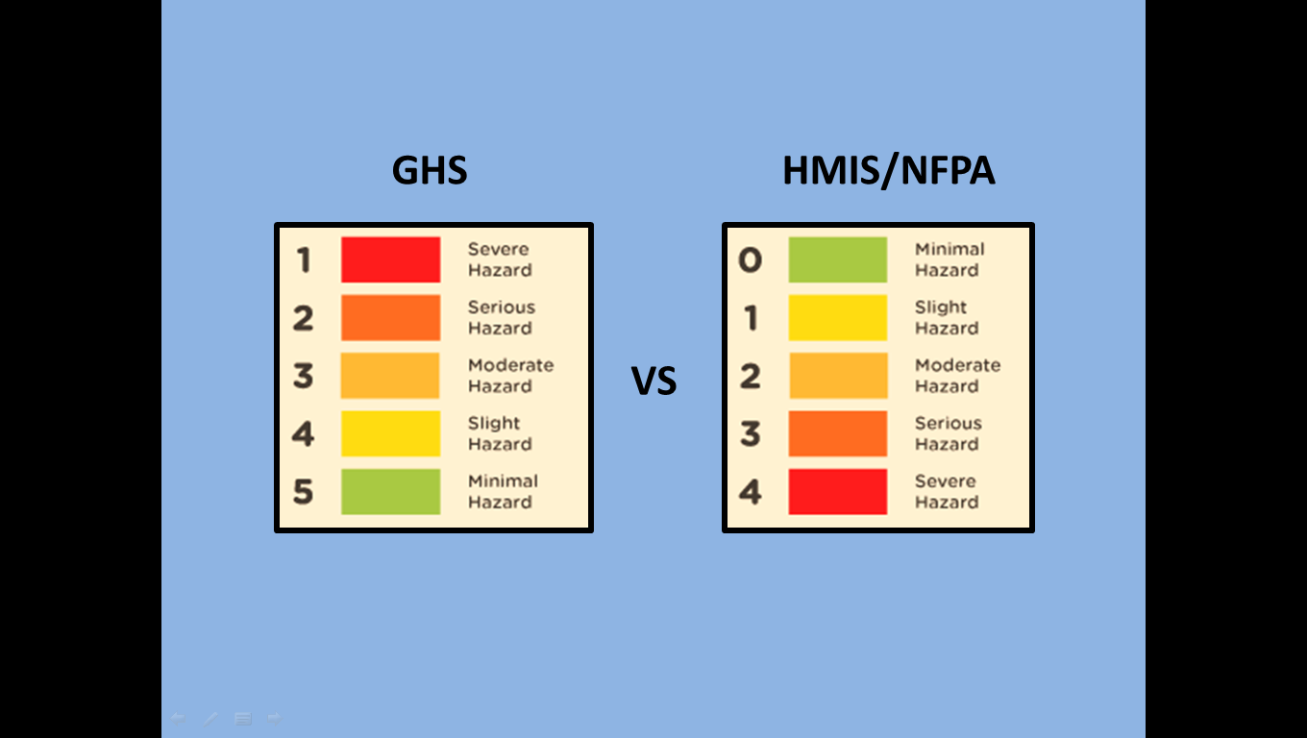
GHS Secondary Labels, Roll of 100 | Stop-Painting.com
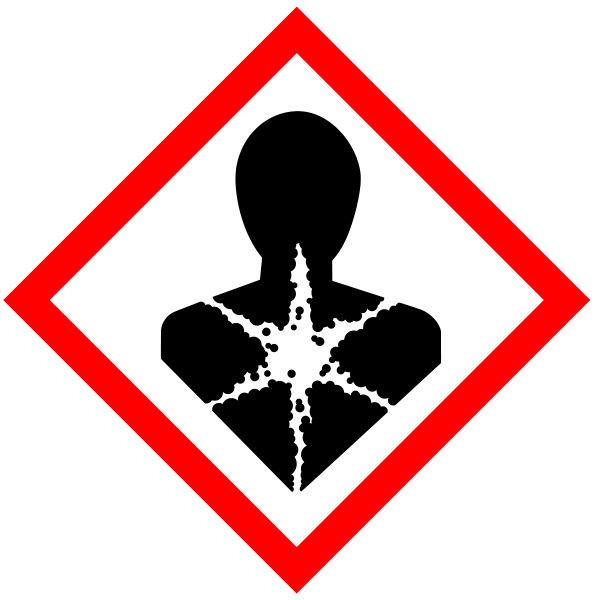
Understanding OSHA's New GHS Regulations - Don't get Fined ...
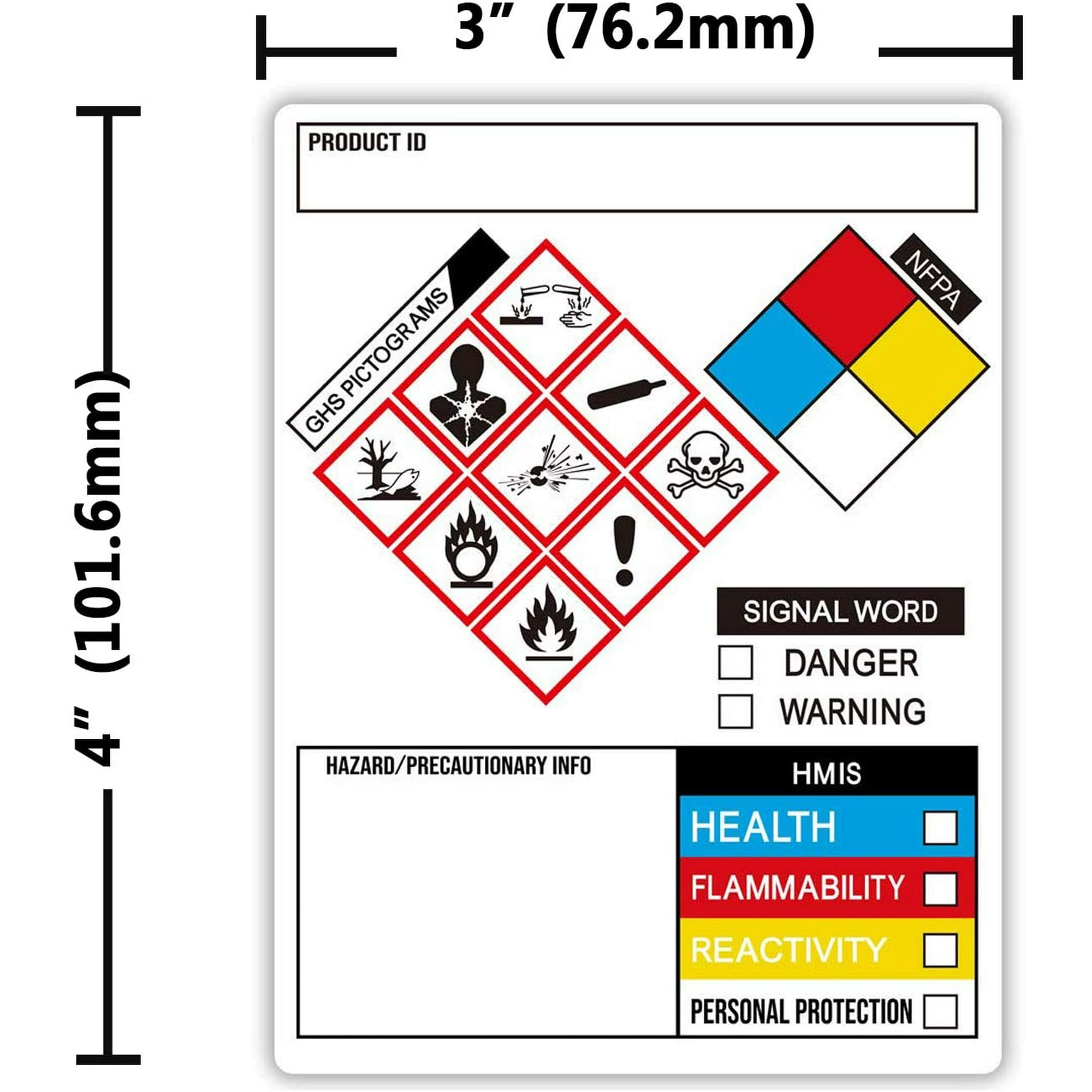
GHS Labels, SDS OSHA Labels for Chemical Safety Data, 3 x 4 ...
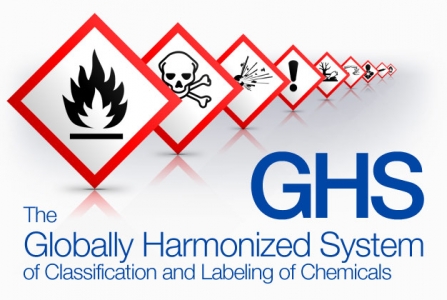
Summary of OSHA's GHS Clarifications

OSHA Chemical Storage Requirements | Discover OSHA Secondary ...
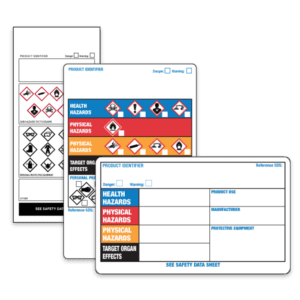
GHS/OSHA/WHMIS Labels - ICC Compliance Center Inc - Canada
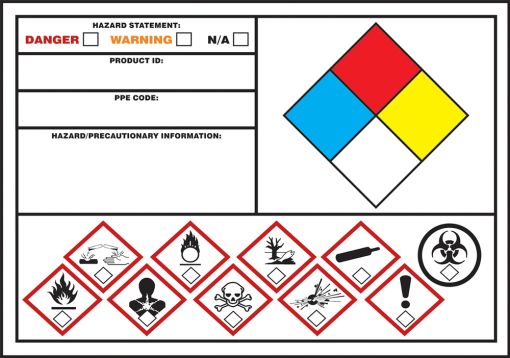
GHS/NFPA Secondary Label
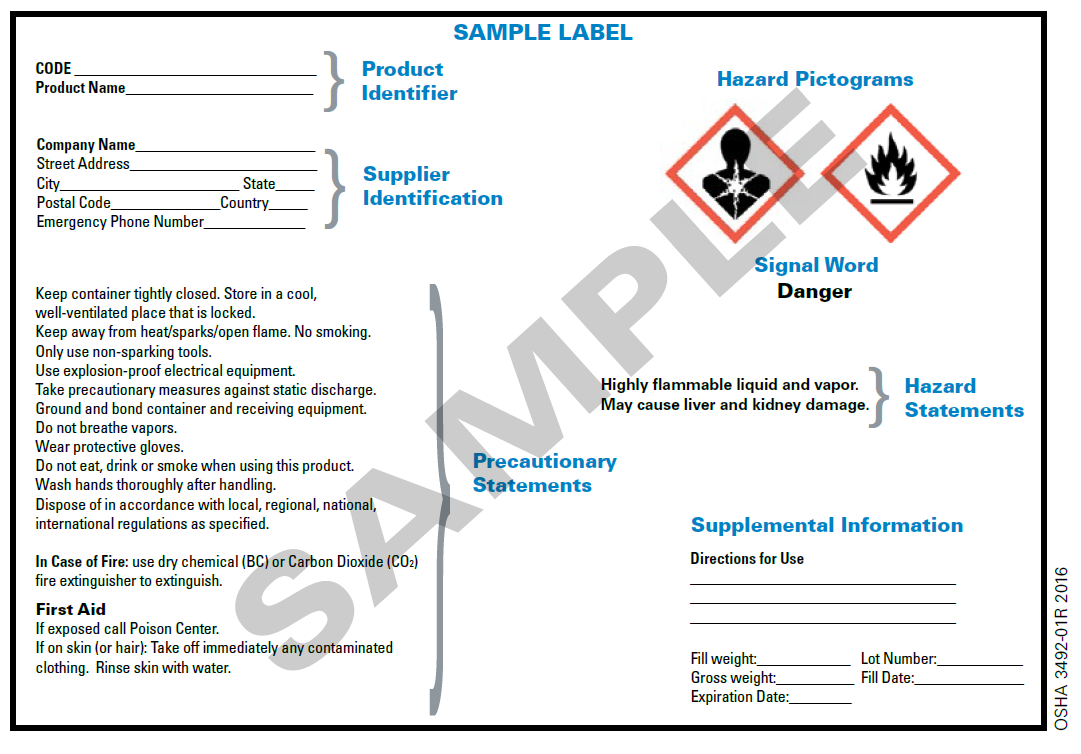
Hazard Communication Program | Environmental, Health and ...

HazCom 2012: The GHS label requirements
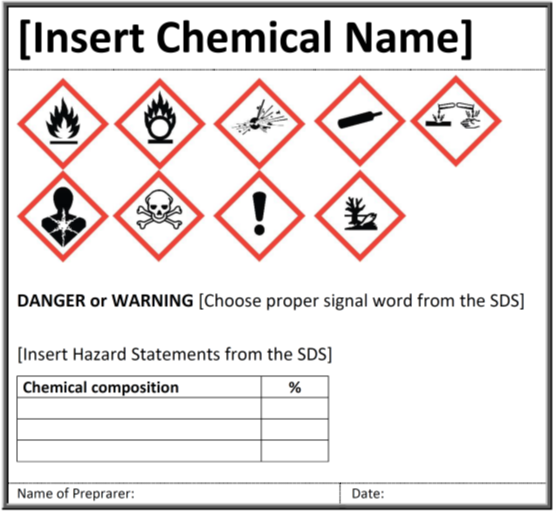
Chemical Container Labels | EHS
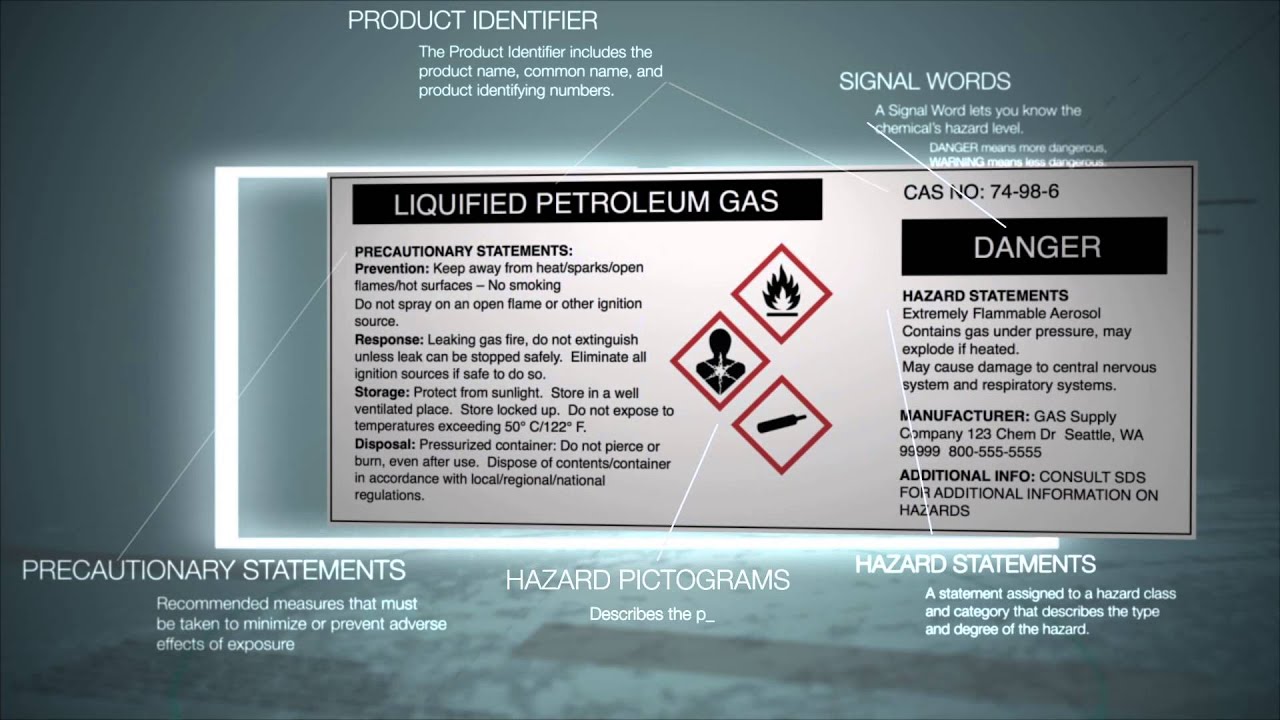
GHS Labeling - OSHAcademy Free Online Training

HazCom - Secondary Labeling

Pin on templates
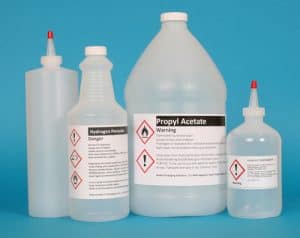
Mysteries of HazCom Labels Solved- KHA Online-SDS Management
Secondary Container Labels 101: HazCom and WHMIS
Post a Comment for "38 osha secondary container requirements"